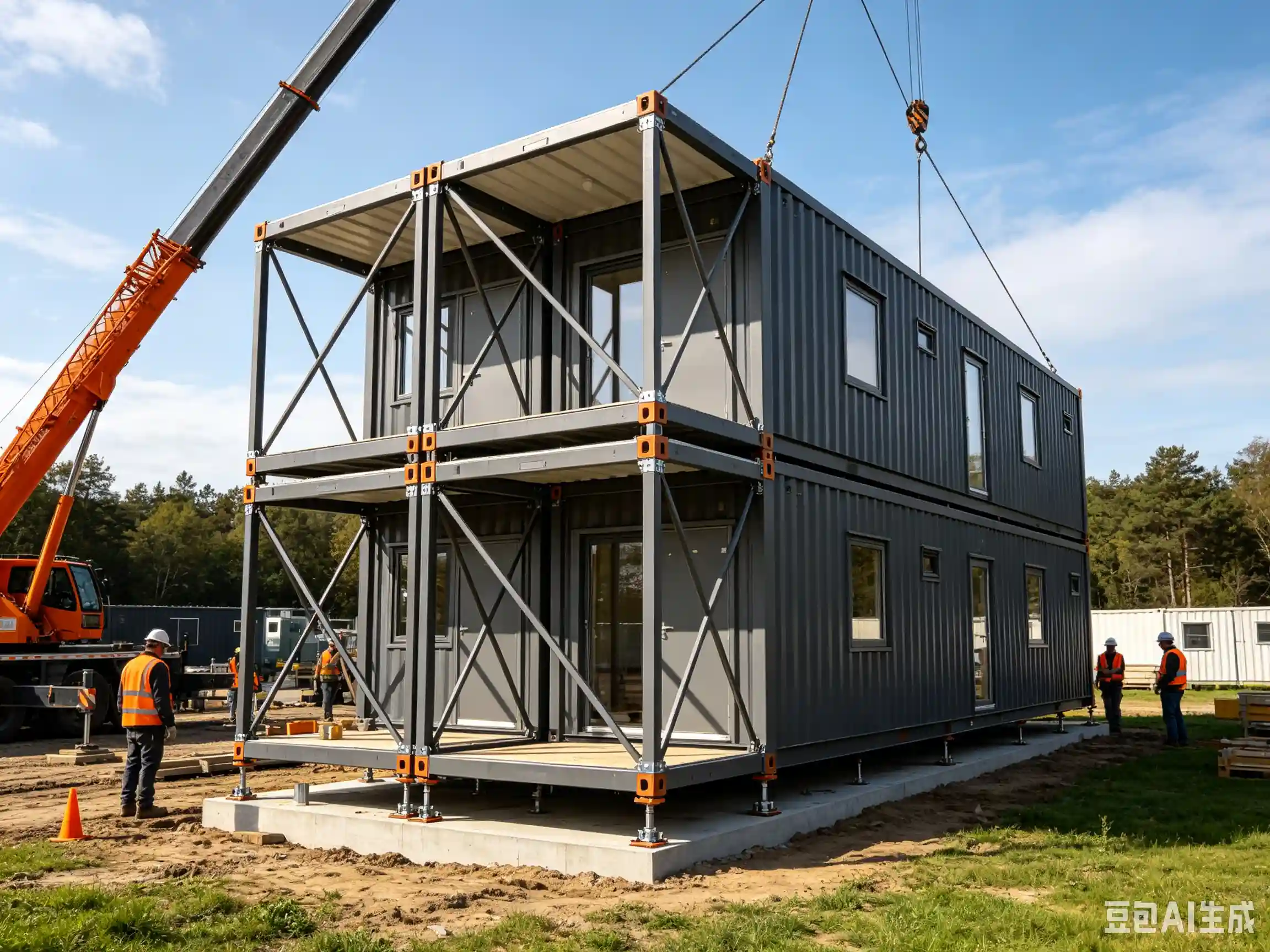

Tucson Nonprofit Builds $20k Double-Wing Container Village for Youth Housing
Prefab Expansion Homes Deliver Code-Ready, Sub-$25k Social Housing Alternative
Double-Wing Expansion House Welcomes New Opportunities: Inside Tucson’s Sub-$20k Housing Model
TUCSON, Ariz. — August 2026 — A local nonprofit just gave the affordable housing debate a steel-framed answer.
Wholistic Transformation has completed a double-wing expansion container prototype on a city-approved infill lot beside Bethel Baptist Church, proving low-cost, dignified housing can be deployed without the $200k price tag of traditional builds.
The goal: provide 12 permanent-feel homes for young adults aging out of the care system—while building community, not just roofs.
Why “Double-Wing” Changes the Game
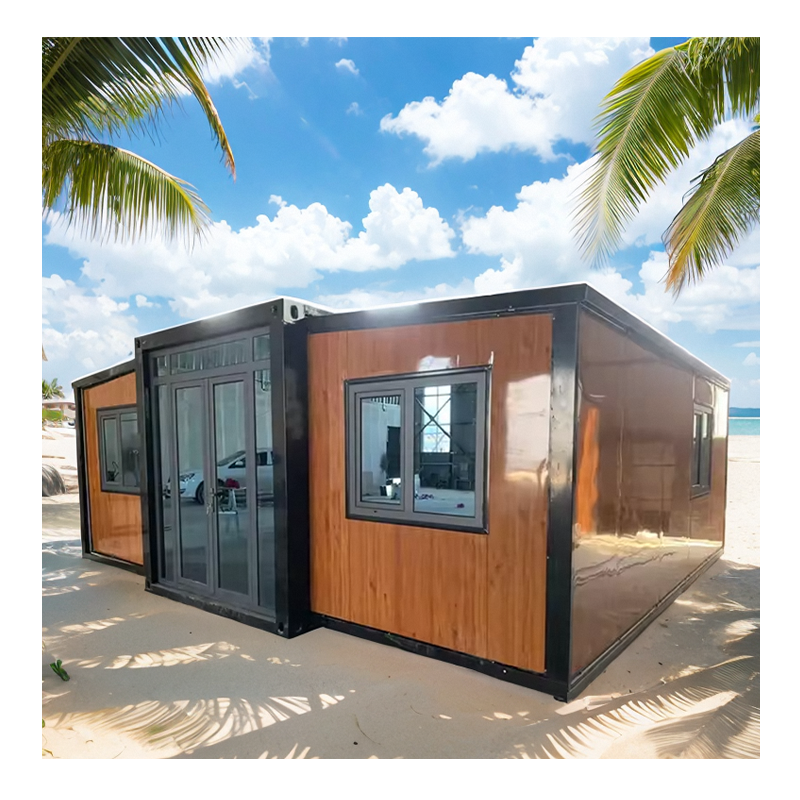
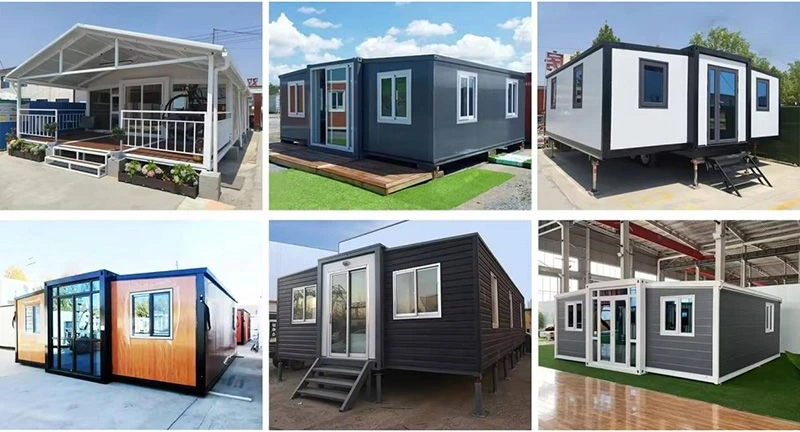
Unlike narrow single-container shells, this system joins two 20ft boxes and folds out lateral wall panels:
-
Road-Legal Closed Width – ships without oversize permits.
-
Expanded Living Space – side wings add 6–8 ft, creating a rectangular ~300 sq ft floor plan.
-
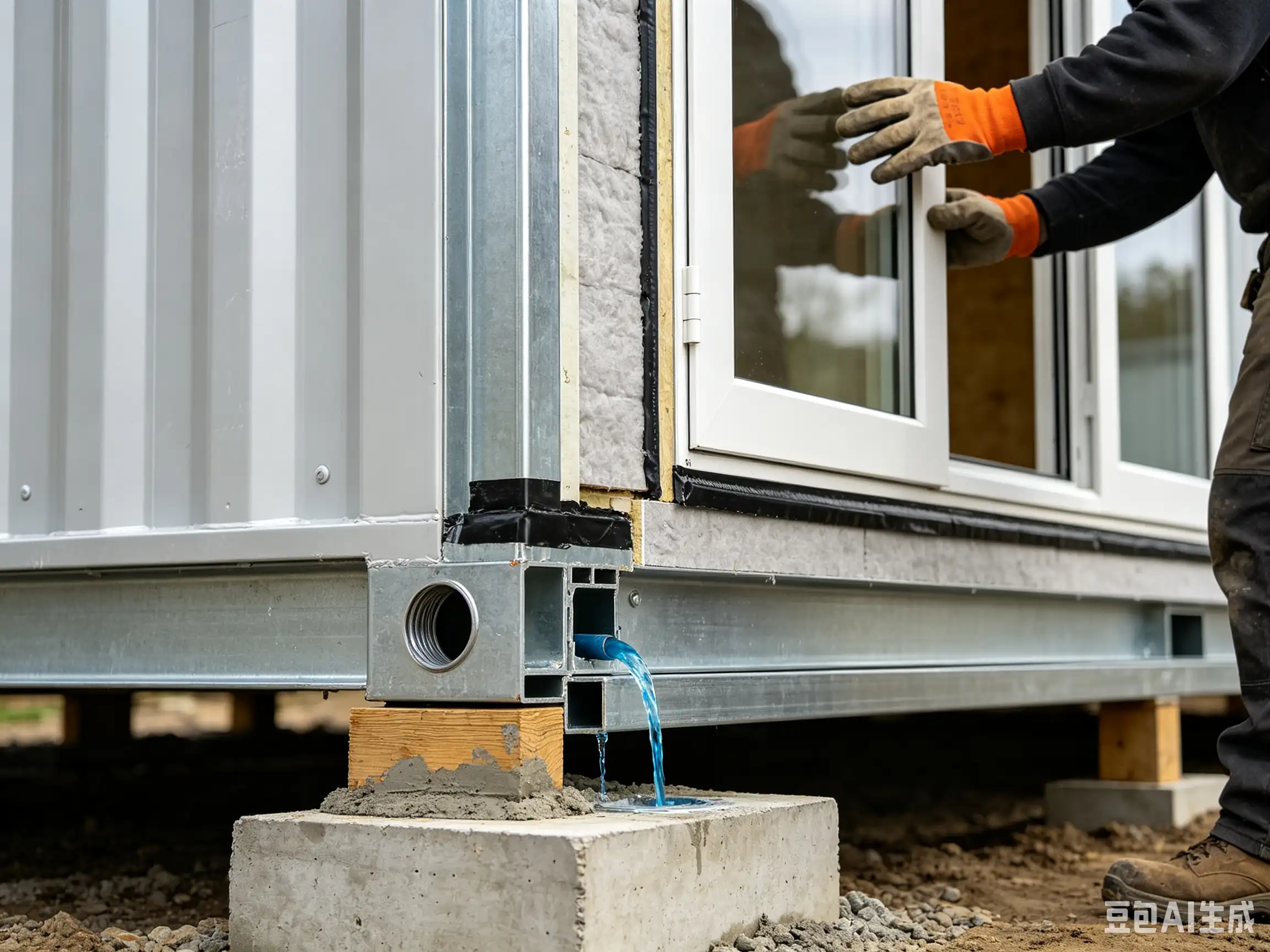
Wet-Core Efficiency – plumbing stays in fixed steel cores; wings carry lighting/insulation only.
-
3-Month Turnaround – prototype built, finished, and furnished in one season.
Total prototype cost: under $20,000 USD, donor-funded.
Project Snapshot
|
Item |
Detail |
|---|---|
|
Location |
15th St & Plummer Ave, Tucson, AZ |
|
Units Approved |
12 (phase 1 prototype complete) |
|
Target Residents |
Former foster youth / young adults |
|
Build Time |
~3 months |
|
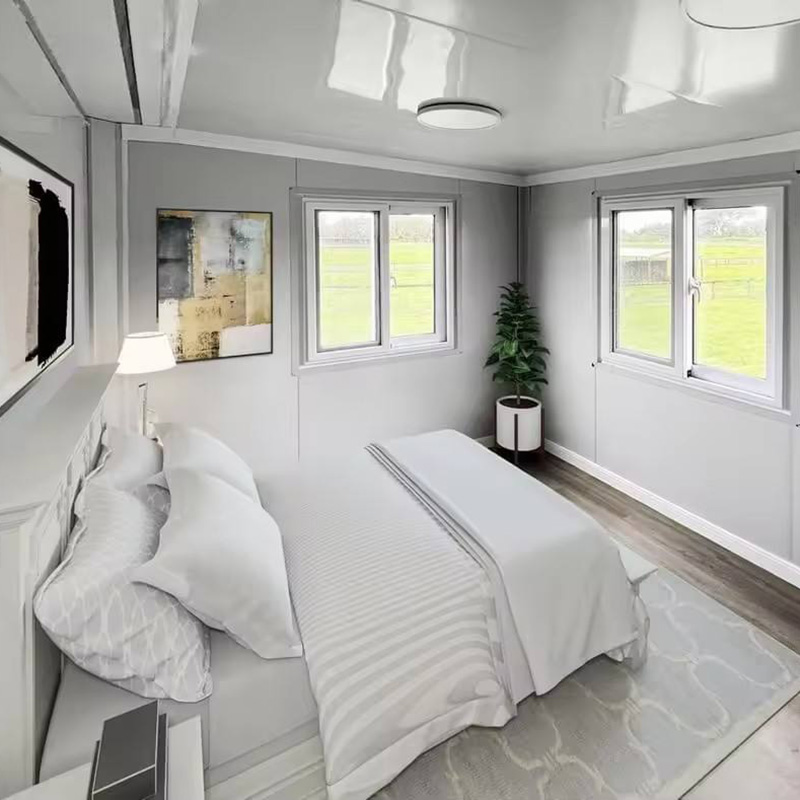
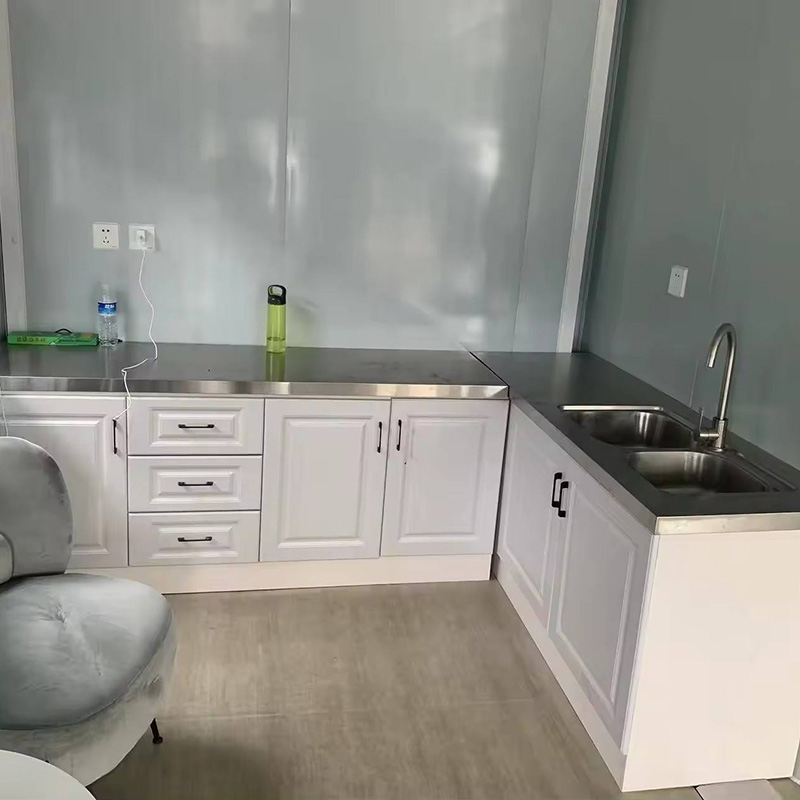
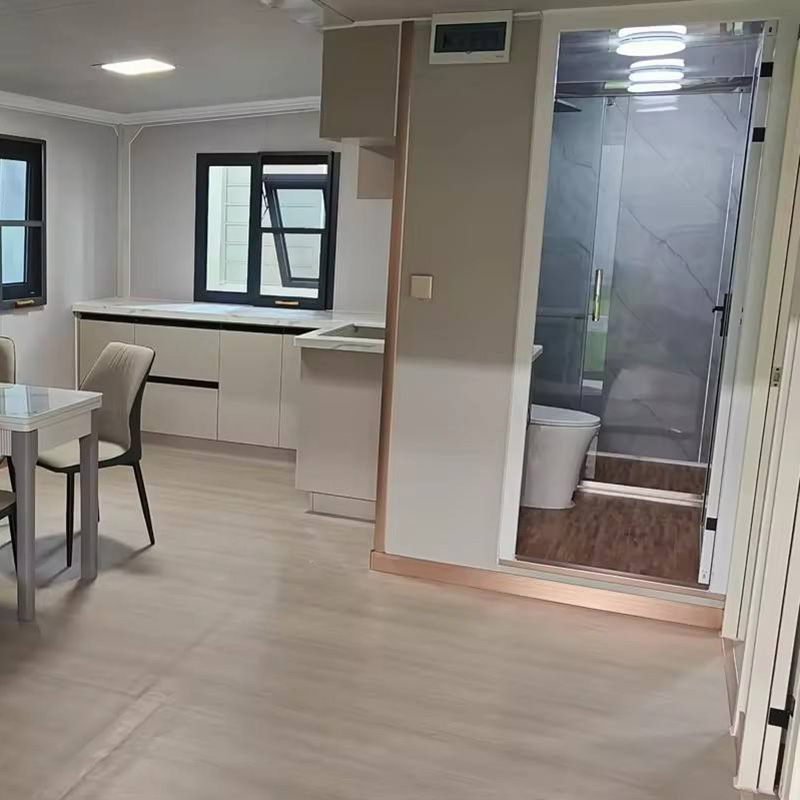
Interior |
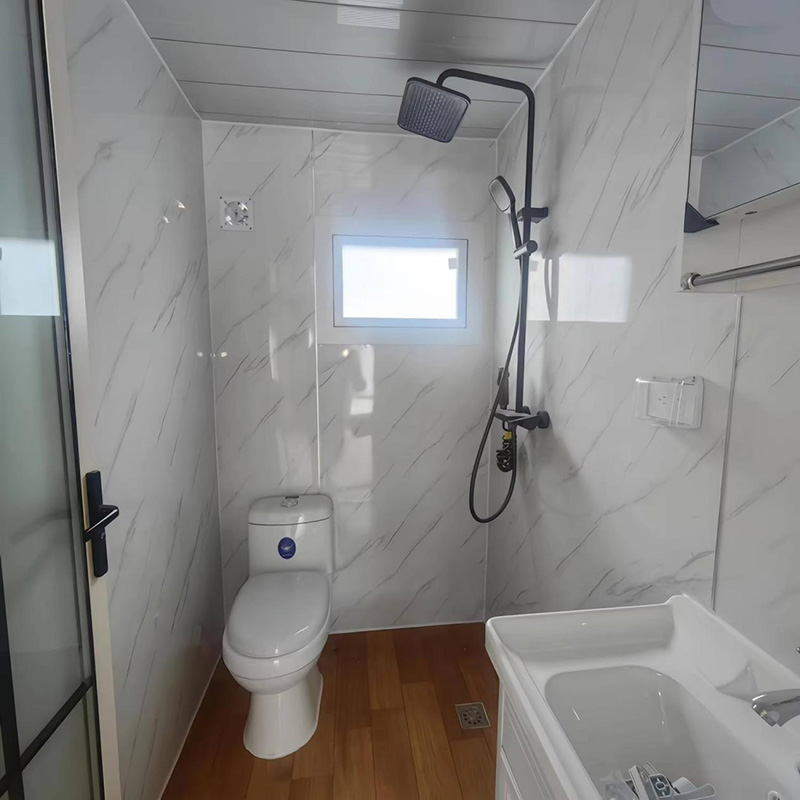
Kitchenette, bath, living zone, custom finishes |
“We’re 99% done and it’s really just a starting point,” said founder Brian Benz. “The whole means the whole person—housing plus relationships.”
Why It Matters for US & Global Builders
This case quietly validates four export truths:
-
Municipal Acceptance – Tucson approved the layout as a cottage-style infill.
-
Grant-Friendly Math – Sub-$25k hard cost fits NGO/mission budgets.
-
Low Visual Impact – From the curb, it reads as a small house, not a box.
-
Scalable Logistics – Fold-flat shipping = repeatable for churches, relief agencies, tribal land.
What’s Next
Open houses run three times monthly (Sept–Nov 2026) to court grant partners. If funded, the remaining 11 units break ground in early ’27.
For modular manufacturers, it’s a signal: expansion containers are no longer fringe tech—they’re a policy-safe tool for housing gaps.