
How to Choose a Container House in 2026: Practical Container House Buyer's Guide
Practical Container House Buyer's Guide 2026 | Container House Selection Tips for Global Importers
How to Choose a Container House in 2026: Practical Container House Buyer's Guide
Choosing the right unit starts with defining how the space will be used—living, office, site camp, retail, or emergency. This practical container house buyer's guide walks through matching use cases to the correct product type, comparing build quality, and asking the right supplier questions before requesting a quotation. These container house selection tips help global importers avoid costly mismatches.
1. Why Container and Modular Housing Keeps Growing
Container-based and modular buildings use steel frames and factory-made components instead of traditional concrete. This delivers higher strength, better seismic performance, and faster on-site installation. The combination of speed, flexibility, and lower cost explains why demand keeps rising across construction, commerce, tourism, and emergency response sectors.
A practical container house buyer's guide always starts with understanding why modular construction outperforms conventional methods on delivery time and reuse potential. These container house selection tips apply whether you are sourcing one unit or one hundred.
2. The Main Types of Container House
|
Type |
Core Feature |
Best For |
|---|---|---|
|
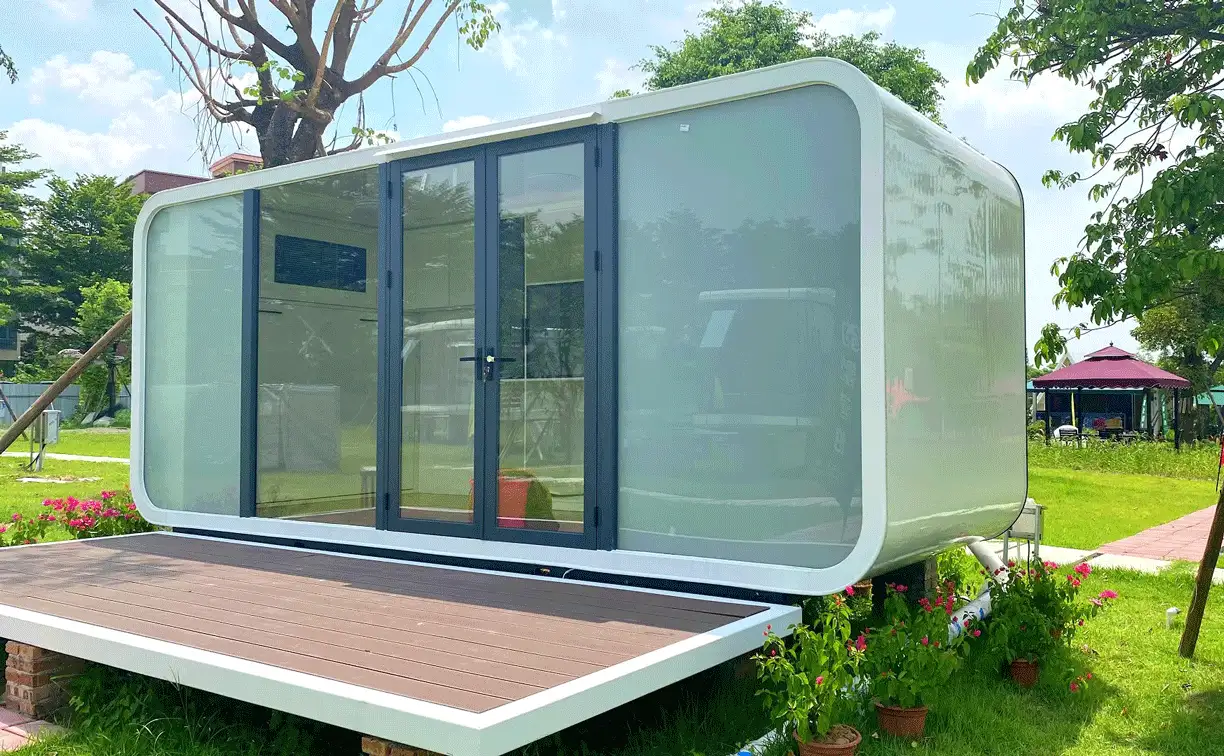
Space Capsule House |
Aerospace-aluminium pod, smart-home controls |
Glamping, holiday stays |
|
Apple Cabin |
Glass-metal sculptural form |
Cafés, attractions, exhibitions |
|
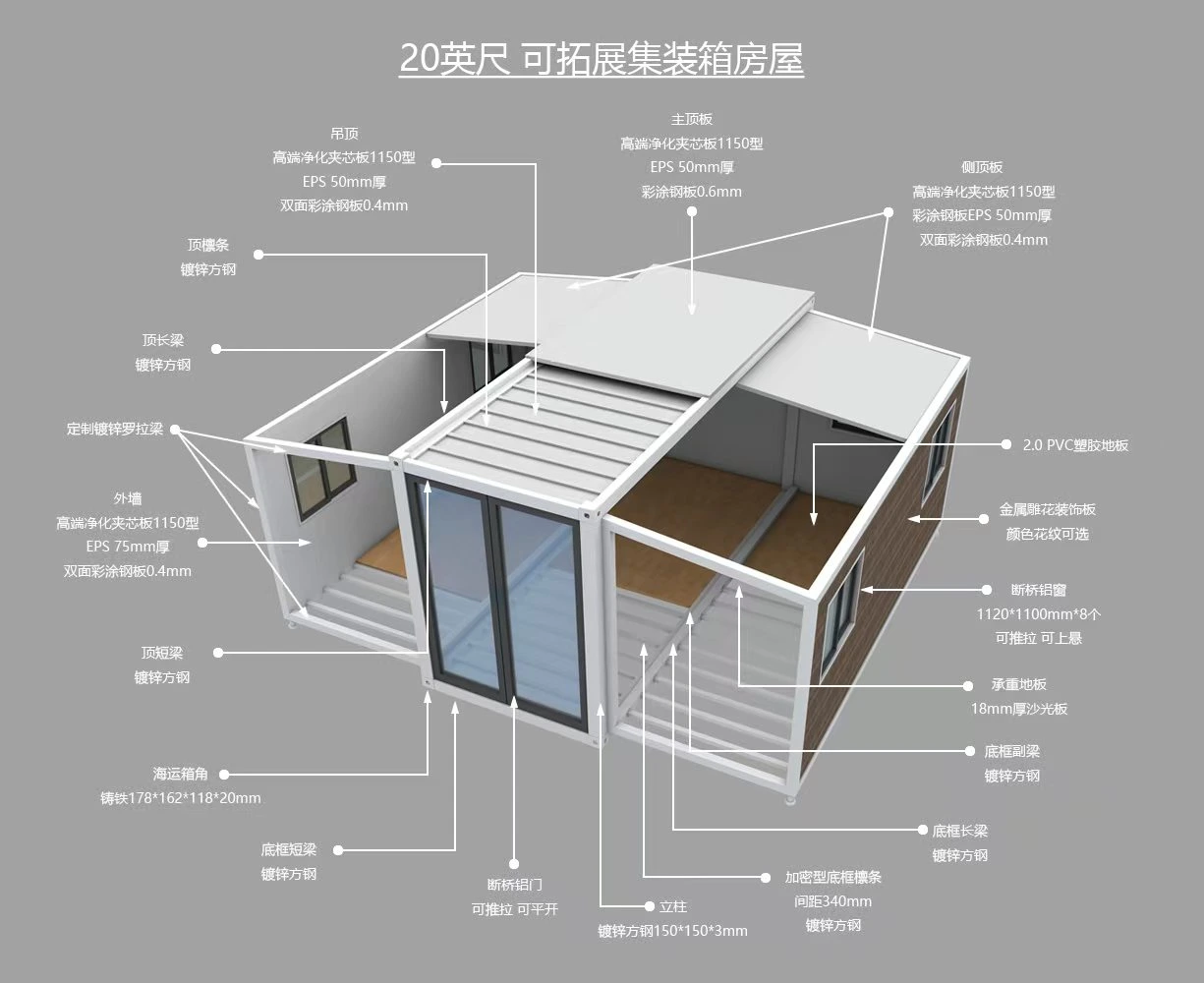
Double-Wing Folding Room |
Hinged wings expand floor area rapidly |
Fast-deployment camps, pop-ups |
|
Foldable Container House |
Hinged sides fold flat for transport |
Emergency shelter, temporary sites |
|
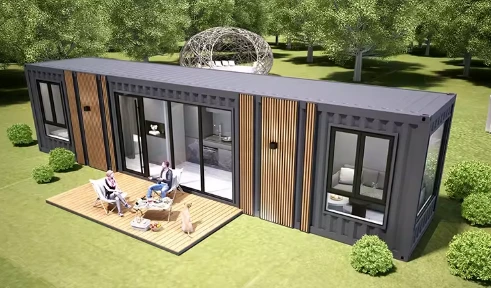
Modular Container Housing |
Standard container modules, highly versatile |
Offices, dorms, multi-unit buildings |
|
Steel-Structure Building |
Larger span, industrial scale |
Warehouses, workshops, facilities |
Every practical container house buyer's guide must compare these six categories before narrowing down. Following these container house selection tips ensures you shortlist the right product family first.
3. Matching the Product to the Use Case
- Fast-deployment site camp → Double-wing folding room or foldable container house
- Temporary office or sales kiosk → Modular container housing or mobile sales kiosk
- Glamping or holiday accommodation → Capsule House or Apple Cabin
- Eye-catching café or attraction → Apple Cabin
- Large-span warehouse or workshop → Steel-structure building
- Emergency or disaster shelter → Foldable or double-wing folding room
This practical container house buyer's guide matches each scenario to the most suitable structure type. These container house selection tips prevent over-buying or under-specifying.
4. What to Look for in Build Quality
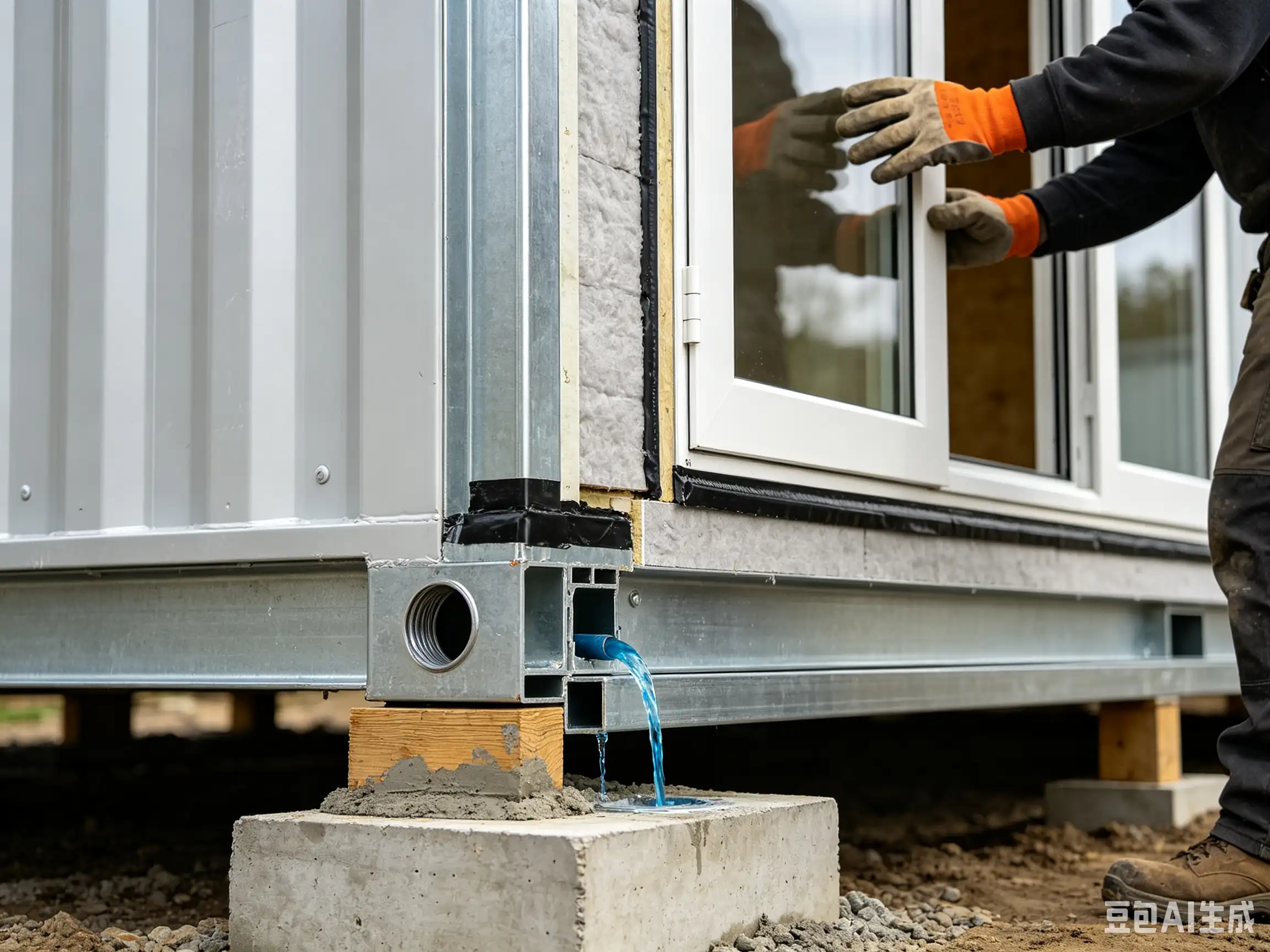
- Frame: galvanised square steel tube and angle steel for corrosion resistance
- Wall panels: double-sided colour steel composite panels for durability and insulation
- Sealing: waterproof, windproof, fire-resistant, and corrosion-resistant ratings matched to your climate
- Connections: high-strength hinges and tracks for smooth repeatable folding/unfolding
- Finishes: interiors designed for intended use, with safe electrical and plumbing routing
A practical container house buyer's guide places build quality above price. These container house selection tips protect your long-term investment.
5. Seven Questions to Ask Your Supplier
- What is the expanded floor area and room layout?
- What materials and coatings are used, and what is the expected service life?
- What weather ratings apply (wind load, waterproofing, fire resistance)?
- How long does on-site installation take, and what site preparation is needed?
- Are water, electrical, and climate systems pre-installed or fitted on-site?
- Can the unit be folded, relocated, and re-unfolded for reuse?
- What after-sales support, spare parts, and warranty are included?
These questions form the checklist section of any practical container house buyer's guide. Our container house selection tips recommend getting written answers before paying a deposit.
6. Common Mistakes to Avoid
- Choosing solely on the lowest price — frame and panel quality determine long-term cost
- Ignoring the installation site — ground conditions and climate affect specification
- Overlooking utilities — plan water, drainage, power, and HVAC early
- Forgetting transport — confirm folded dimensions and container compatibility before ordering
- Skipping a layout review — a well-designed interior maximises usable space
This practical container house buyer's guide highlights these pitfalls so you can avoid them. Apply these container house selection tips to every project.
FAQ
Q: How do I know which container house type is right for my project?
A: Define your primary use (living, office, retail, or emergency), then match it to the type table in this guide. When in doubt, send your requirements to a supplier for a tailored drawing.
Q: Can I relocate a container house after installation?
A: Yes. Most modular and folding units are designed for disassembly, transport, and re-installation at a new site.
Conclusion
A practical container house buyer's guide eliminates guesswork by matching use case to product type, verifying build quality, and asking the right supplier questions. These container house selection tips ensure your 2026 project stays on budget, on schedule, and built to last.
[Request a Free Tailored Quotation]
Send your intended use, site location, required space, and preferred layout — we'll provide drawings and pricing within 24 hours.
Field note: In 2025, a contractor in Kazakhstan initially requested 20 standard containers for a site camp. After reviewing these selection criteria, they switched to 12 double-wing folding rooms instead — reducing transport volume by 35% while gaining 20% more floor area per unit.